A Cultures Operating System
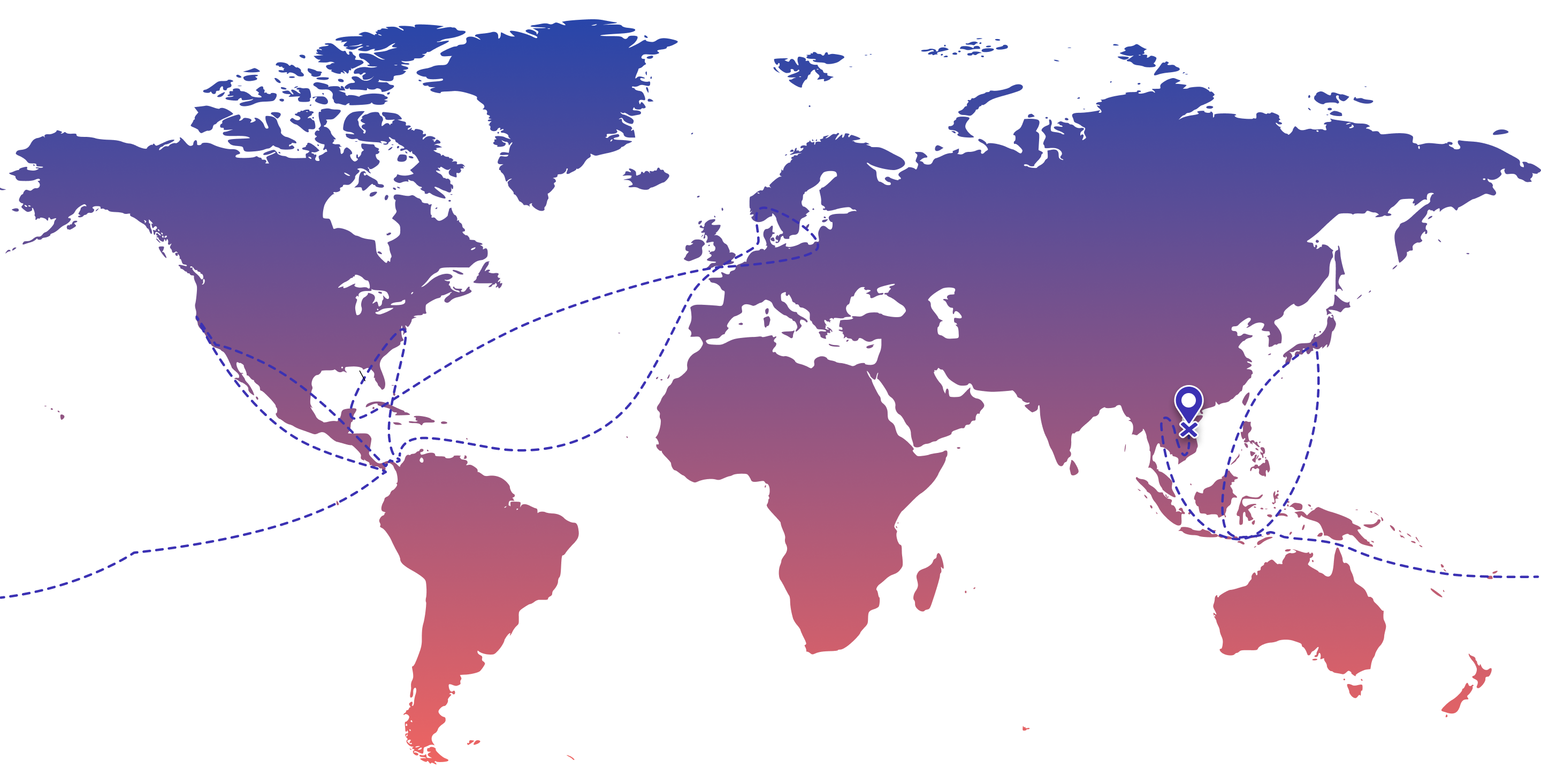
Exploring Vietnam for a month before checking on the boat
When you move between countries often, culture stops feeling abstract and starts feeling operational. It is no longer about food, vibes and attractions, but about how things get done.
This led to a simple realisation. Cultures behave like operating systems. They set the defaults, permissions and constraints that shape how people, institutions and brands function.
When brands adapt to new markets, they usually focus on customer needs, competitors and local aesthetics. What’s often missed is the system those forces are operating within.
Let’s jump into it
When we sail into a country, we handle customs and immigration ourselves. It’s in these moments that a culture’s operating system reveals itself through how the clearance process unfolds.
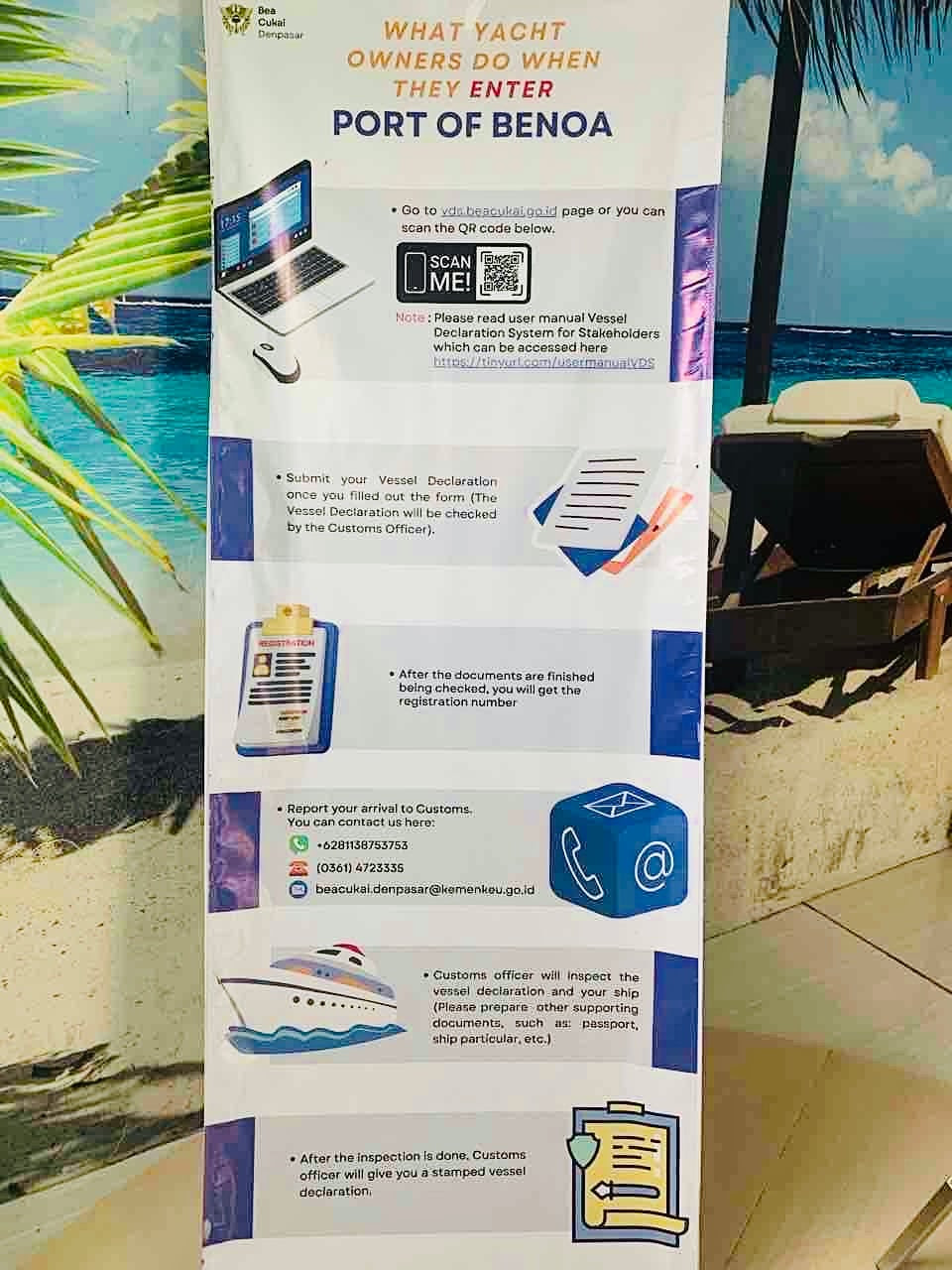
Instructions for clearance in Bali, Indonesia
Brands face similar moments when they enter a new market. They’re suddenly operating inside a system shaped by different expectations, authority, communication and defaults.
Take ride-hailing and food delivery apps. In much of Asia, Grab builds trust through dense interfaces and frequent confirmations, while in Europe, Uber tends to rely on restraint and minimal interaction.
A culture’s operating system shapes how brands are experienced end-to-end: what customers expect, how interactions are designed and where effort sits between the brand and the customer.
When brands realise they’re switching operating systems, adaptation becomes the work. Success comes from working with the system, not against it.
A helpful resource
The Culture Operating System Framework views culture as a system that shapes behaviour. Like an operating system, it sets defaults, permissions, error handling and pace.
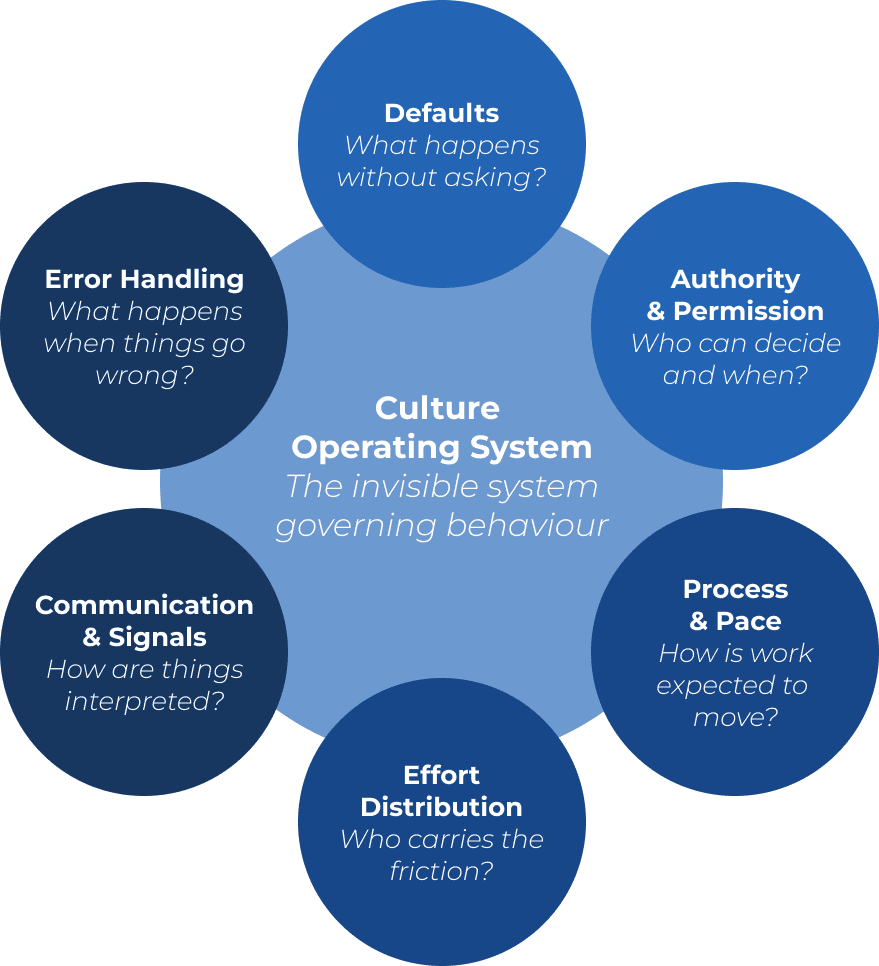
Culture Operating System Framework
You see this when a food delivery order goes wrong. Some markets expect real-time coordination to fix it, while others expect the system to resolve it quietly.
These cultural operating principles determine speed, trust and friction long before brand messaging is even noticed.
Every market runs on an invisible operating system. Brands struggle when they focus on surface-level localisation instead of understanding how decisions are made, authority is exercised and effort is distributed.
Five questions to get started:
- What is communicated directly and what is already understood?
- What has to happen informally to make progress?
- What actions make people feel confident or nervous?
- When something goes wrong, who is expected to fix it?
- Where do customers feel friction and who is expected to solve it?
For brands, this shapes customer journeys, service design, rollout speed and partner effectiveness. Brands succeed by considering not just how they appear, but the system they’re entering.
Brand success comes from system fit, not surface-level localisation
And there’s more
✏️ Join: Digital Marketing Europe 2026 is taking place in Lisbon during April with talks and workshops.
📚 Read: Clear Thinking by Shane Parrish, who runs one of my favourite newsletters, is a book to read and reread.
🎧 Listen: Ray Dalio on Economic Trends, Investing, and Making Decisions discusses exactly what’s in the title.
📍 Visit: Da Lat, Vietnam has a floral, forest-y vibe and is an easy add to any Vietnam itinerary.