Authenticity Range
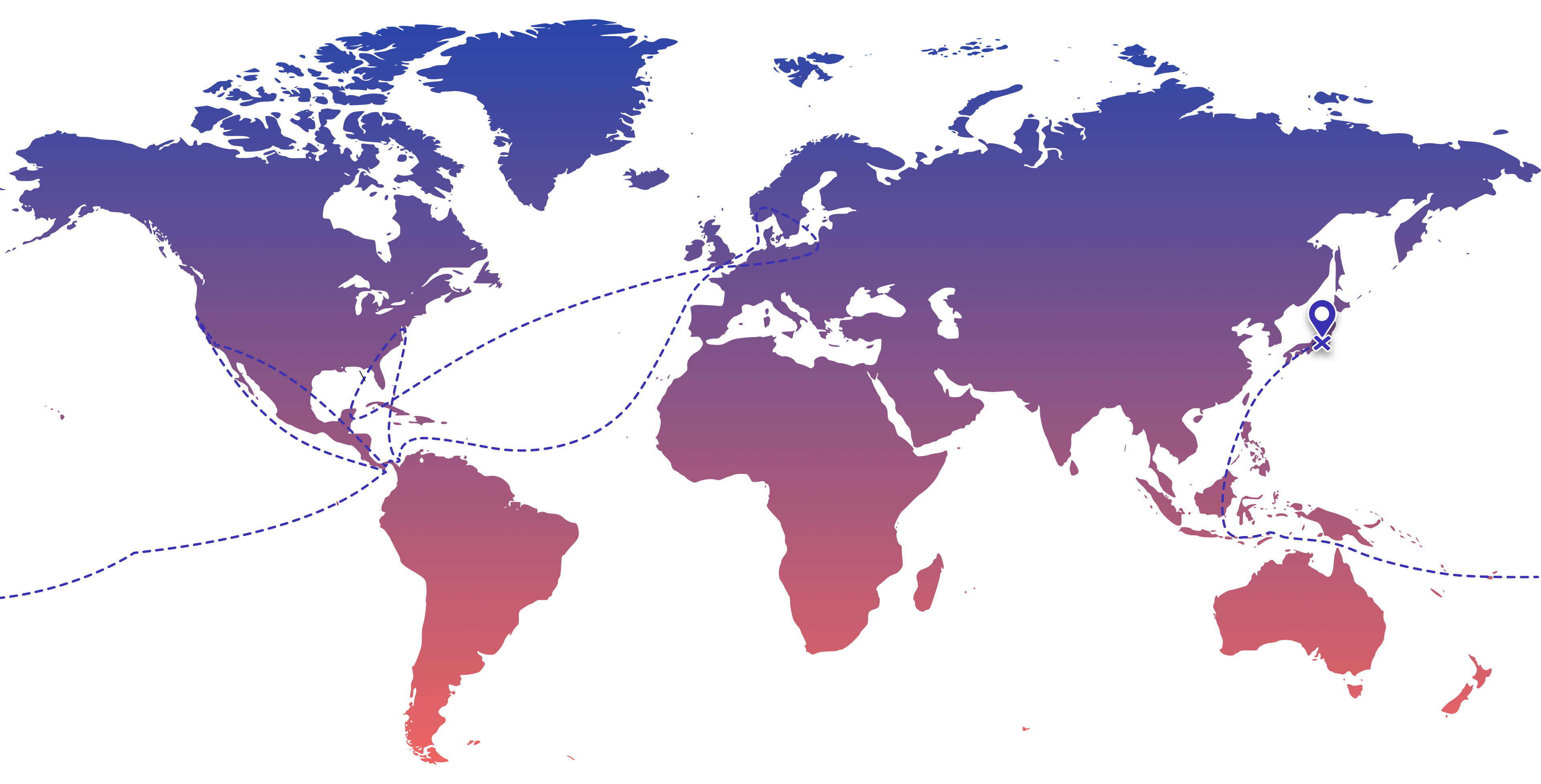
Left the boat in Bali to explore Japan
We’ve been travelling through Japan and the word authentic keeps coming up. Authentic food. Authentic neighbourhoods. Authentic experiences.
It’s everywhere, almost like a stamp of approval you’re supposed to chase as a traveller. But the more you hear it, the more you realise authenticity isn’t one thing.
The same confusion shows up in marketing. Teams chase an “authentic brand” as if there’s only one definitive expression. Let’s look at how authenticity is more about facets than singularity.
Let’s jump into it
Travelling teaches you quickly that multiple authentic versions can coexist. Tokyo, as an example, is a contrast of touristy and stylish, anime and old, futuristic and traditional neighbourhoods all in one city.
None of these are more or less “real” or “authentic”. They’re just different facets of the same place.
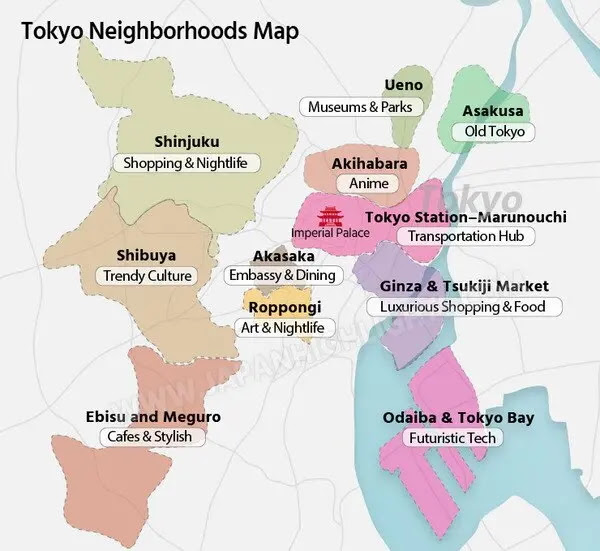
The different district vibes of Tokyo
Brands work the same way. They need space to shift between audiences, formats, expressions and touchpoints.
Trying to hold everything to one narrow “authentic” brand is like expecting every part of a city to look identical. You lose richness, contrast and depth. And eventually, everything starts feeling flat.
Back in my footwear days, I admired how streetwear brands shifted narratives from tech to heritage, serious to playful. Seeing Japan’s most aspirational streetwear stores reminded me of that range.
It’s about recognising which parts of your brand are stable and which flex. When you design for that range, communication becomes sharper, teams align faster and your brand feels more relatable.
A helpful resource
Here’s a simple way to see whether your brand is using its full range of authenticity or getting stuck in one narrow part of itself.
Think of your brand like a city, where each district has its purpose. A healthy brand moves through all of them without losing the sense of being in the same place.
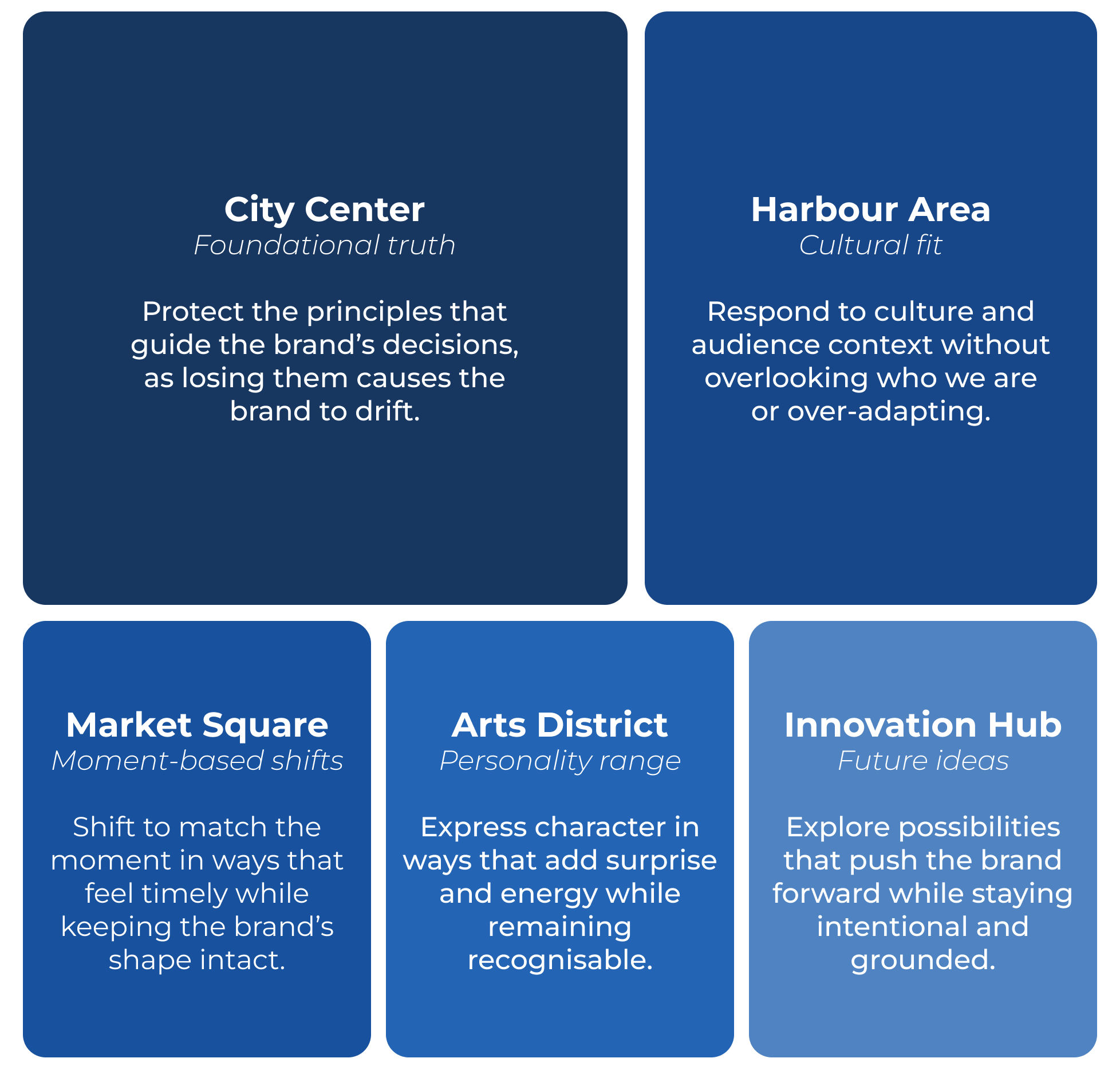
Authenticity Districts
This becomes a one-page exercise you can use in brand workshops, content planning or creative reviews. It helps teams see where the brand should flex, where it should stay consistent and where it may be over-extending.
Use these five questions to guide the mapping:
- Do the core values show up across every expression?
- Where does the brand naturally flex and where does it start to break?
- Does each expression still feel recognisably “us”?
- Would our audience understand the shift without feeling confused?
- Is there an Authenticity District we should explore more?
The Authenticity Districts Framework frames authenticity as a city you navigate. It reveals the brand’s true range and creates space for more natural expressions.
A brand, much like a city, is one place with many authentic expressions
And there’s more
✏️ Join: For something more festive, the Amsterdam Light Festival is super charming for both visitors and locals.
📚 Read: Convenience Store Woman by Sayaka Murata is a sharp, insightful look at the tension between living authentically and fitting in.
🎧 Listen: How to Find a Problem Worth Solving by, well, Problem Solvers tries to answer a long-standing question.
📍 Visit: Kanazawa is a great addition to a Japan trip for its history, less crowds, notable gardens and walkable neighbourhoods.